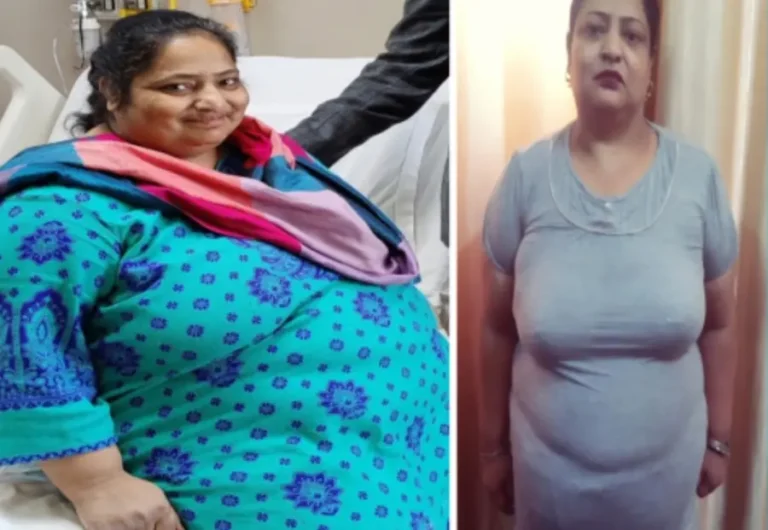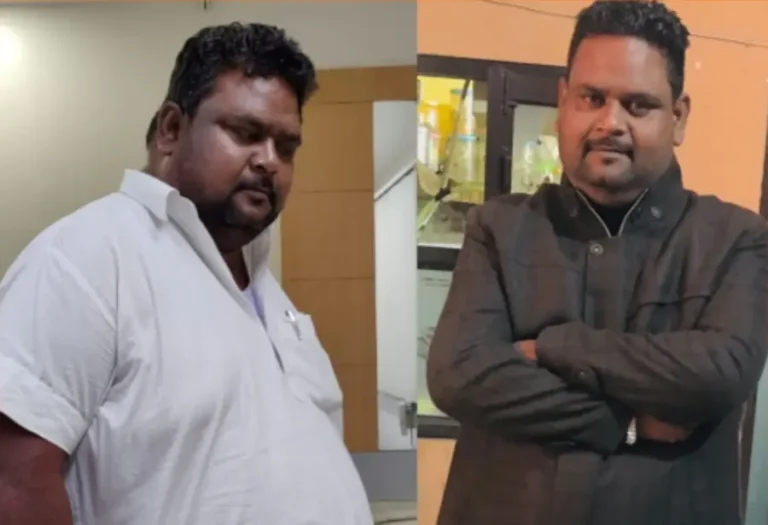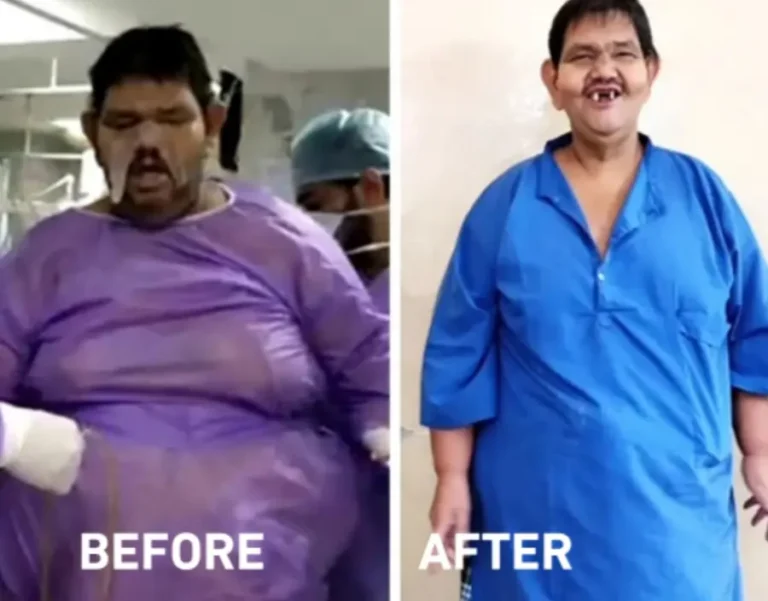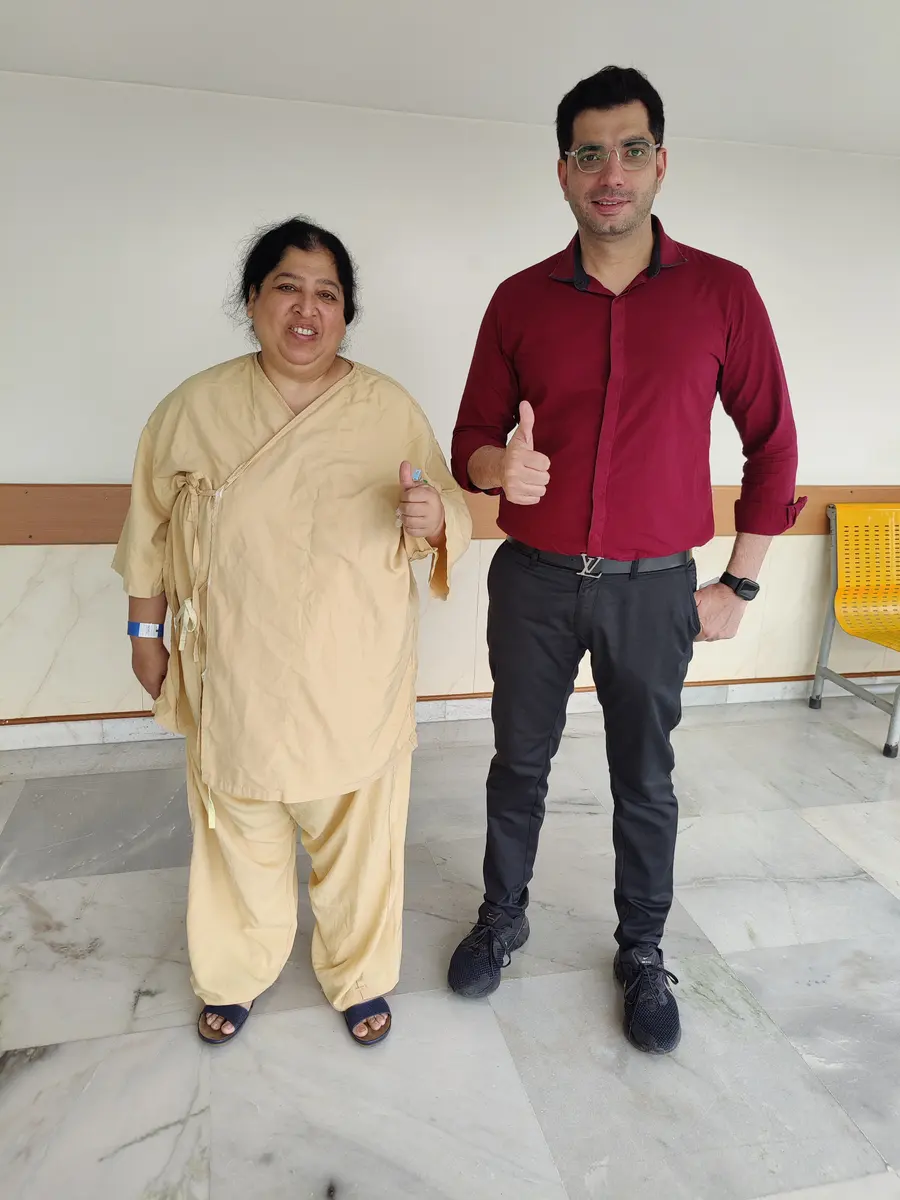
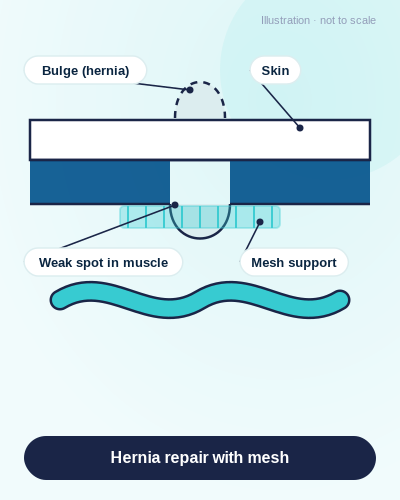
An incisional hernia is a bulge that appears through the scar of an earlier operation, such as a caesarean section, removal of the uterus, an open gallbladder or appendix operation, or emergency surgery. Dr Amit Bhambri repairs incisional and ventral hernias at Fortis Hospital Ludhiana, using keyhole (laparoscopic), robotic or open methods depending on the size and position of the hernia.
Why does a hernia form in an old scar?
When the tummy wall is cut and stitched, the scar is never quite as strong as the muscle was. Some people develop a gap in it, sometimes months or years later. The chance is higher with:
- Wound infection after the first operation
- Excess weight
- Smoking, diabetes or long-term steroid use
- Several operations through the same scar
- Coughing, constipation or heavy lifting soon after surgery
Symptoms
- A bulge in or near an old scar, bigger when standing, coughing or straining
- Discomfort or a dragging feeling, often worse by evening
- Large hernias can make the tummy look uneven and make clothes uncomfortable
- Constipation or bloating if bowel goes into the hernia
Go to emergency straight away if the bulge becomes hard and very painful, the skin turns red, or you are vomiting and cannot pass gas. This can mean the bowel is trapped.
Tests before surgery
A CT scan of the abdomen is often done for incisional hernias. It shows the size of the gap, how many gaps there are, what is inside the hernia, and the quality of the muscles. This helps Dr Bhambri choose the safest repair and explain it to you clearly.
Getting ready: the steps that make a difference
Incisional hernias have a higher chance of coming back than groin hernias, so preparation matters:
- Stop smoking at least four weeks before surgery
- Control blood sugar if you have diabetes
- Lose some weight if BMI is high. For people with obesity, weight loss surgery first, or combined with the repair, may be discussed.
- Treat any cough or constipation
Types of repair
| Method | Usually suited for |
|---|---|
| Keyhole (laparoscopic) repair with mesh | Small to medium hernias; several small gaps along a scar |
| Robotic repair | Medium and larger hernias, where the gap can be stitched closed and mesh placed within the muscle layers; see robotic hernia surgery |
| Open repair (with mesh, sometimes with muscle release) | Very large hernias, hernias with skin problems or old infected mesh |
In most repairs the gap is closed and reinforced with a mesh, which lowers the chance of the hernia coming back. The exact method depends on your CT scan, previous operations and general health.
Recovery
- Hospital stay is usually one to three days, depending on the size of the repair.
- Walking starts the same day or the next morning.
- An abdominal binder is often advised for a few weeks.
- Desk work usually after two weeks; heavy lifting after about six weeks or more, as advised.
Risks
Possible risks include fluid collection over the repair, wound infection, bleeding, injury to the bowel, ongoing pain and the hernia coming back. Larger and repeat hernias carry higher risks, which Dr Bhambri discusses openly before surgery, including whether the benefits outweigh them for you.
Hernia after caesarean section
Many women in Punjab first notice a hernia in their caesarean scar a few years after delivery. Most of these can be repaired by keyhole or robotic surgery. If you are planning another pregnancy, discuss the timing of repair with Dr Bhambri.
Cost of incisional hernia surgery in Ludhiana
The cost depends on the size of the hernia, the method, the type and size of mesh and the hospital stay. It is shared in writing after the consultation and CT scan. Incisional hernia repair is usually covered by health insurance.
Incisional hernia FAQs
How soon after an operation can an incisional hernia appear?
It can appear within months, but sometimes only several years after the first operation.
Can it be repaired by keyhole surgery if I had open surgery before?
Often yes. Keyhole and robotic repairs are commonly used for hernias after open operations. The CT scan helps decide.
Why do I need a CT scan?
It shows the exact size and number of gaps and what is inside the hernia, so the right repair can be planned.
Will the hernia come back?
Mesh repair lowers the chance, but incisional hernias can come back, especially with smoking, high weight or wound infection. Preparing well before surgery helps.
Can the old scar be removed at the same time?
In open repairs the old scar is often removed. With keyhole repair the old scar is left as it is. Ask Dr Bhambri what suits your case.