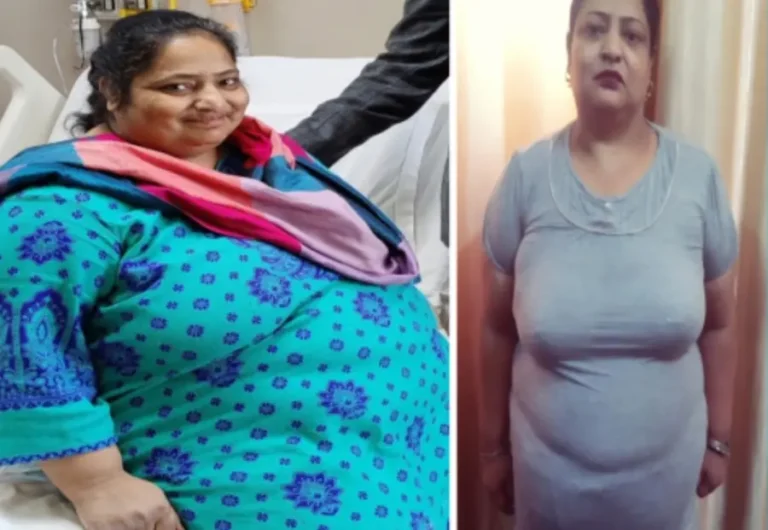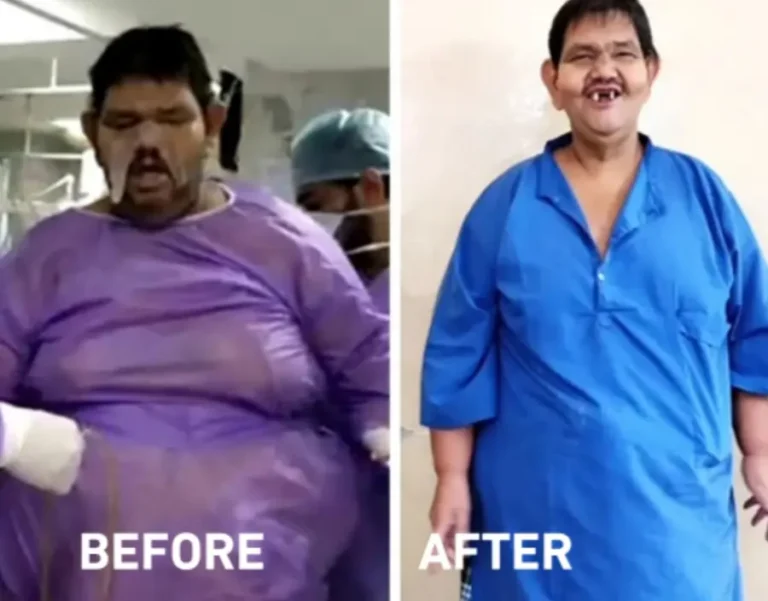
Diabetes surgery, also called metabolic surgery, is bariatric surgery planned mainly to improve type 2 diabetes. Dr Amit Bhambri performs metabolic surgery in Ludhiana at Fortis Hospital for patients from across Punjab whose diabetes is hard to control with medicines and lifestyle changes alone.
How can surgery help diabetes?
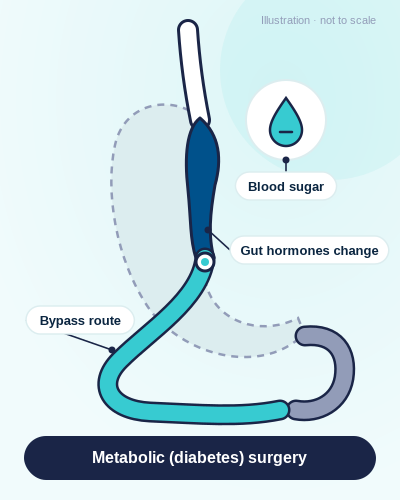
Operations such as gastric bypass change how food moves through the gut. This changes gut hormones that control insulin and appetite, often within days of surgery and before much weight is lost. Weight loss then further improves how the body uses insulin.
Many patients with type 2 diabetes need fewer diabetes medicines after metabolic surgery, and some no longer need them at all. Results are usually better when diabetes is of shorter duration and the pancreas can still make insulin. Results vary, and long-term follow-up with your doctors remains important.
Who may be considered for diabetes surgery?
- Type 2 diabetes (not type 1)
- BMI of 32.5 or more with type 2 diabetes, or
- BMI from 27.5 when type 2 diabetes is not controlled despite medicines and lifestyle changes (Asian criteria)
- Tests show the pancreas still produces some insulin
- You are willing to follow the diet plan and attend regular follow-up
Dr Bhambri works together with your physician or diabetologist. Surgery is decided only after a full assessment.
Tests before metabolic surgery
Along with the usual bariatric tests, you may need HbA1c, fasting C-peptide (to check insulin production), kidney tests, an eye check, heart tests and an endoscopy. These help predict how much benefit you may get and make surgery safer. Dr Bhambri has published research on scoring systems that help predict how diabetes responds after bariatric surgery.
Which operations are used?
- Mini gastric bypass (OAGB): commonly used for diabetes with a higher BMI
- Roux-en-Y gastric bypass: preferred when there is also acid reflux
- Sleeve gastrectomy: can help, especially in shorter-duration diabetes
- SADI-S / SASI-S: in selected patients with a very high BMI
The choice depends on your BMI, how long you have had diabetes, insulin use, reflux and other health factors.
Benefits beyond blood sugar
- Lower blood pressure and cholesterol in many patients
- Improvement in fatty liver and sleep apnea
- Fewer tablets and insulin injections for many
- Weight loss that makes daily activity easier
Risks
Metabolic surgery carries the same risks as other bariatric operations, including bleeding, leak, infection and blood clots, and the need for lifelong vitamins after a bypass. Diabetes medicines must be adjusted carefully after surgery, because blood sugar can fall quickly. Never stop or change diabetes medicines on your own.
After surgery: managing your diabetes
| When | What happens |
|---|---|
| In hospital | Sugar is checked often; insulin and tablets are reduced as needed. |
| First weeks | Home sugar checks; medicines are adjusted with your doctor. |
| 3–12 months | HbA1c and other tests guide whether medicines can be reduced further. |
| Long term | Yearly diabetes checks (eyes, kidneys, feet) continue, even if sugar is normal. |
Cost of diabetes surgery in Ludhiana
The package depends on the operation and the room category, and is given in writing after the consultation. Many insurance policies cover metabolic surgery when the criteria are met. See the cost guide.
Diabetes surgery FAQs
Can surgery cure type 2 diabetes?
Doctors prefer the word “remission”, because diabetes can return over time. Many patients have normal sugar without medicines for years after surgery, and many others need far fewer medicines. Results vary from person to person.
I am not very overweight. Can I still have diabetes surgery?
For Asian patients, metabolic surgery may be considered from a BMI of 27.5 if type 2 diabetes is not controlled with medicines. A detailed assessment decides whether it is right for you.
Does surgery work if I am on insulin?
It can still help, although the chance of stopping all medicines is lower when diabetes is long-standing and insulin production is low. Your C-peptide test helps predict this.
Is diabetes surgery the same as bariatric surgery?
The operations are the same. When the main goal is to control diabetes, it is called metabolic or diabetes surgery.
Can surgery help type 1 diabetes?
No. Metabolic surgery is for type 2 diabetes. In type 1 diabetes the body does not make insulin, and surgery does not change that.